
Hardship never affects only one person.
Like a rock hits calm water and sends out widening ripples, hardship affects our family, friends, those closest to us. Its ripple effect spreads tension, fear, and discouragement or strength, resilience, and deeper faith.
That hard thing settles into the family, either by sudden storm or by constant weight pressing down day after day.
Even if no one talks about it, we notice:
- What they say and leave unsaid
- How they react when plans fall apart
- What they avoid and what they face
Body language can speak louder than words.
Sometimes the same trial rests on everyone, each person responding in their own way.
Other times the burden seems to fall on one person. But even then, it rarely impacts them alone. The most private, personal trials usually show up, and those closest to us know something happened.
It can leave an imprint so powerful that it restructures family culture, our children’s belief system, and sends ripples on into the next generations.
Like a fossil pressed and hardened over time, our response to adversity forms an imprint that remains long after the circumstances change.
The Invisible Transfer
The way we live under hardship teaches far more than our words do.
- In one home, a man meets suffering with steadiness and acceptance. He doesn’t rush to defend himself. He refuses to resort to wrong-doing, even if it makes life easier. He doesn’t draw attention to his pain as he accepts the cost of his choice.
His family learns:
- Adversity doesn’t give a free pass to abandon convictions.
- They can endure suffering without losing their values.
- Standing for Truth costs something.
2. In another home, a man meets the same pressure differently. At first, he pushes back. Then he begins to compromise what he said he believes, finding ways to blame others and stay out of more trouble. He may become despondent or aggressively control the circumstances around him.
His family learns that:
- Circumstances determine beliefs.
- It’s okay to compromise rather than to endure hardship.
- Convenience is worth the price of integrity.
Both men faced the same adversity but left different imprints on their families.
Our raw, unguarded responses to adversity, the micro-decisions we think no one sees, identify the foundational values our families come to trust and build into their own families.
What example do we pass on?
What example will our children reach for?
What example do we instinctively reach for when hardship hits?
Choosing What Values to Keep
Though we never consciously chose it, the example we received from our families settled into habits and beliefs about ourselves, others, and life. It all feels so normal, we’re usually unaware of it.
Some of us carry our family’s example forward without questioning it.
Others wrestle against that pattern and choose to face life and hardships differently. Just because we inherited it doesn’t mean we want to pass it on.
Were you ever shocked by lashing out like Mom used to or withdrawing like Dad?
Are you becoming the person you never wanted to become?
The imprint is stronger than we realize.
That recognition offers us a choice: what model is worth keeping and what needs to be left behind?
A Family Tested
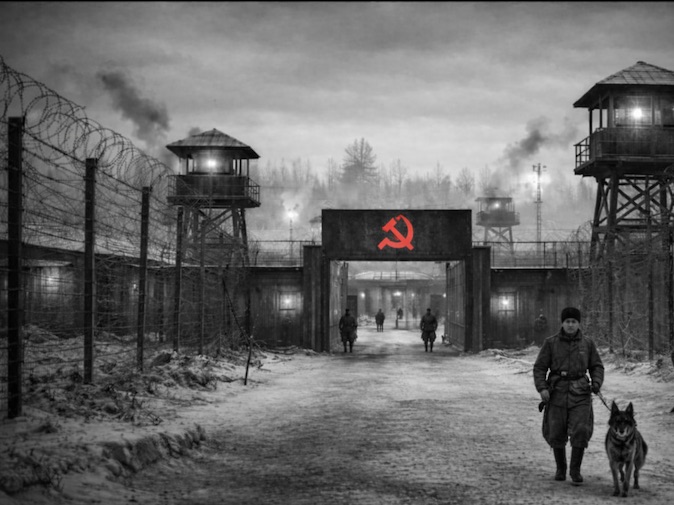
My family and those of our heritage faced these choices through generations of hardship under Soviet communism.
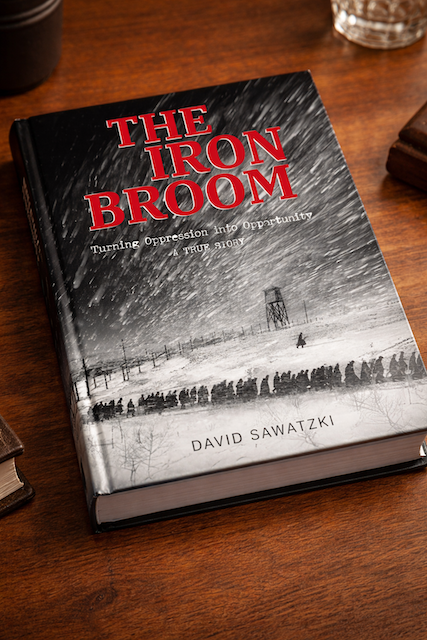
The Iron Broom tells the fuller story of how each person made choices to either accept or avoid suffering, and how their choices affected mine.
My grandparents faced it first, torn away from their families and marched to forced-labor camps. In the face of suffering, famine, and death, they clung to their faith and convictions through small choices made in private moments.
So when I was sent to the frozen north to guard gulag prisoners, I didn’t start with a blank slate. I stepped into intense pressure with vivid examples before me.
But though I inherited my family’s model, I still had to decide for myself:
- What convictions are worth the cost I’ll pay to uphold them?
- What model will I follow and pass on to those around me?
These are questions we all end up facing.
Whether we’re aware or not, we’re already answering them in the small moments, each day, by what we accept, excuse, refuse, and justify.
Read the Opening Chapter
If you didn’t already receive the opening chapter of The Iron Broom, you can request it below, and I will send it to your email. Thank you.
Follow Along
As we near the launch of The Iron Broom, I’ll share more about the book and who it will resonate with most deeply.
If you would like to keep reading and stay connected, you can follow along on my Facebook page below.

 that claustrophobic little kingdom, and beyond its thin walls, His vast, grand space kingdom. Drifting off, I feel the pull between my desire for comfort and purpose. What I focus on will, in the end, shape the result.

 perfect: clear blue skies, a soft breeze, sunlight spilling across the vast valley far below. Standing on the rocky ledge, I take it all in – the end of my thirteen-day section hike. I linger, basking in the moment, the beauty, the sense of accomplishment. My eyes trace the ridge line of mountaintops fading into the blue horizon, like a long winding story, every ridge a challenge faced, every valley a lesson learned.
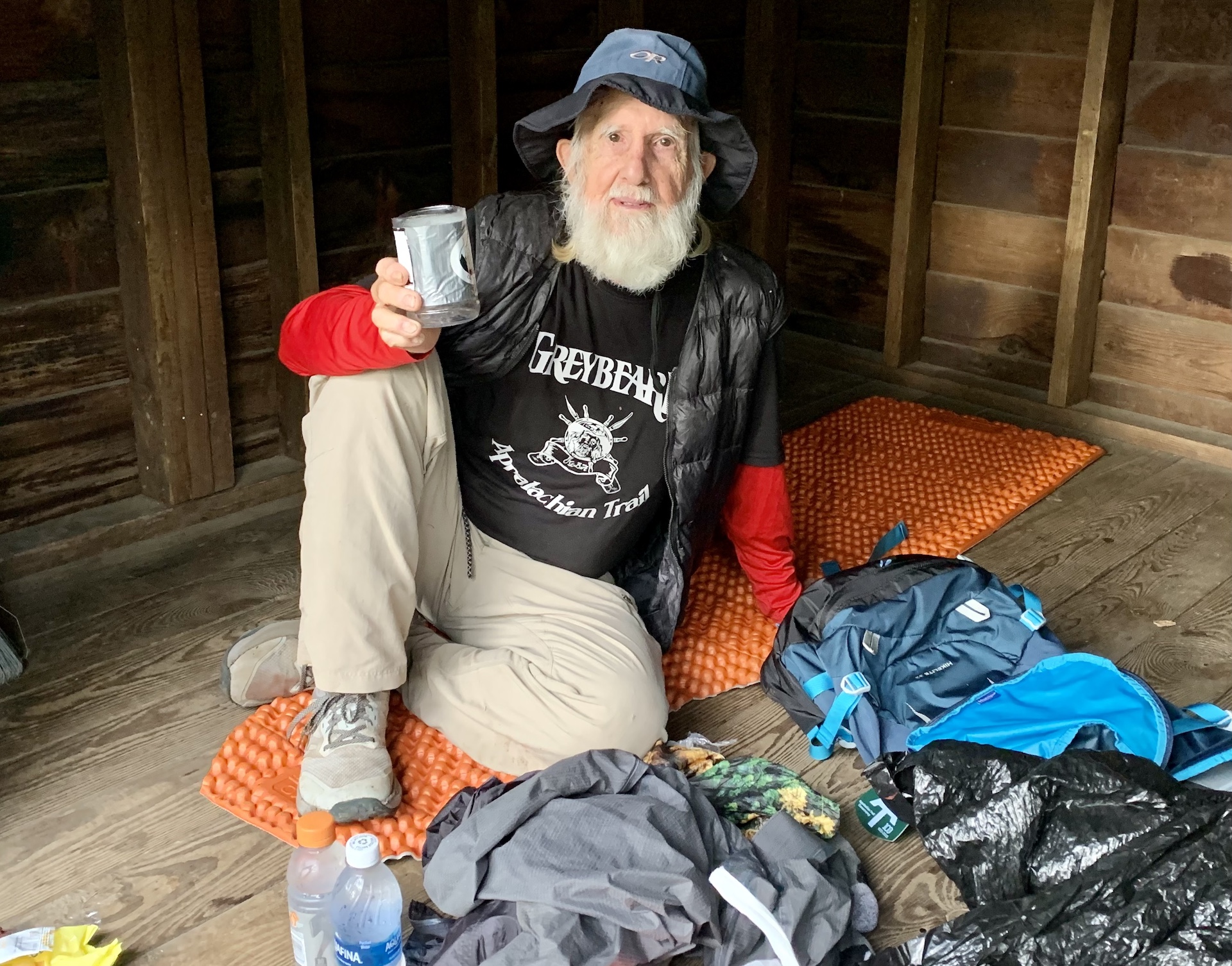 And then there was Greybeard, a 90-year-old through-hiker legend, conquering for the second time his 2,184-mile goal. When I asked whatmotivated him to do this, he looked heavenward and said, “Here I’m closest to God. All nature around me points to Him. I thank the Lord every day for the trail.” Later, I run into his support team and meet another trail legend, Nimblewill Nomad, who has walked all the known trails in America. He shares a few poems, lessons the trail wrote on his heart, each one echoing humility, reverence, and deep respect for the journey.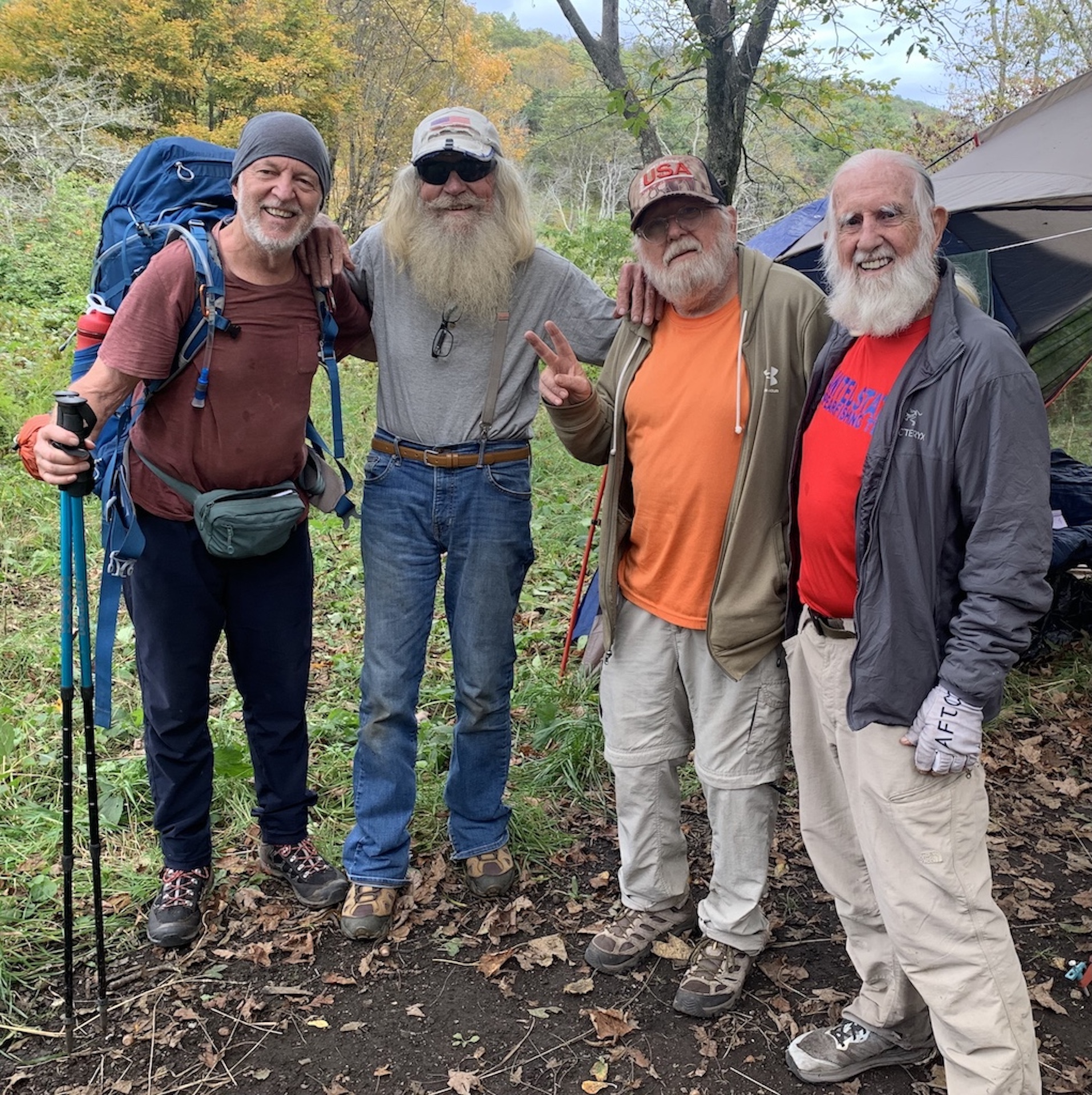
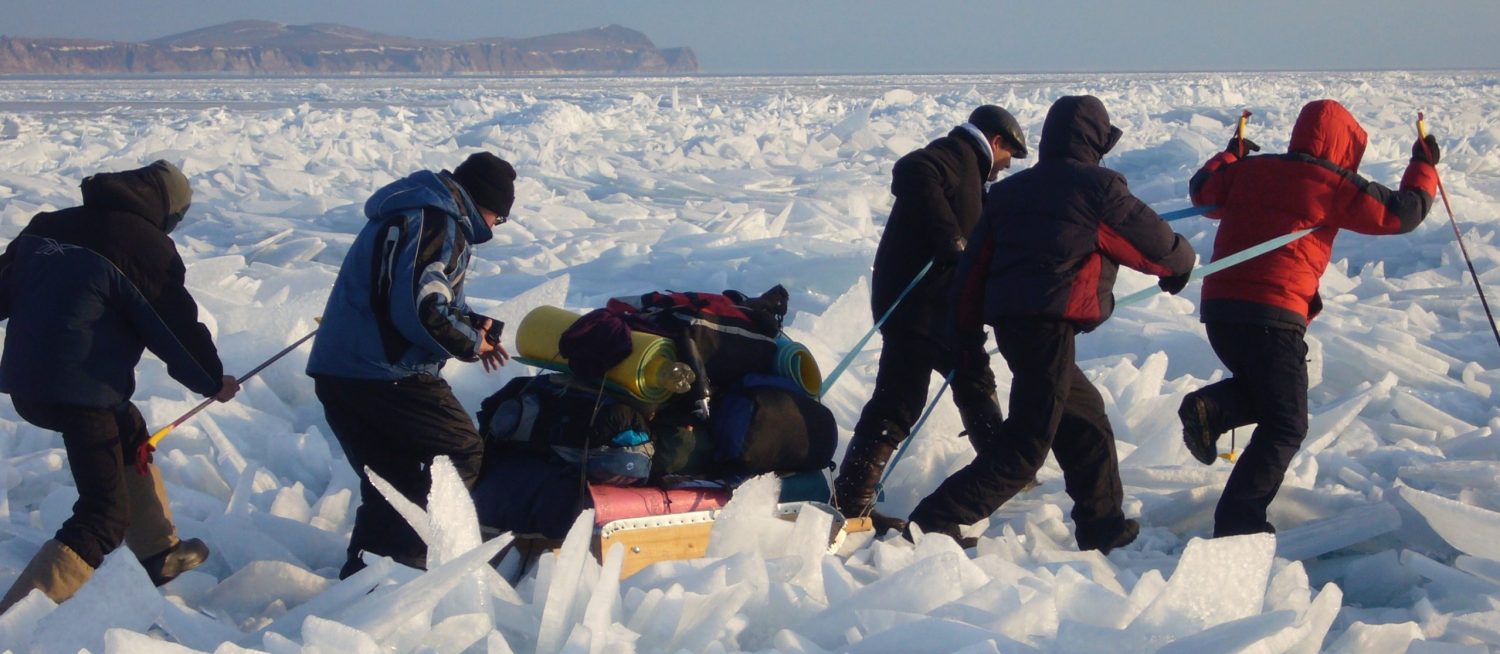
 us, illuminating a vast expanse of snow and ice. We silently contemplate the task before us.